
Does taekwondo actually work for self-defense in a real situation?
- Taekwondo
- Taekwondo Self-Defense
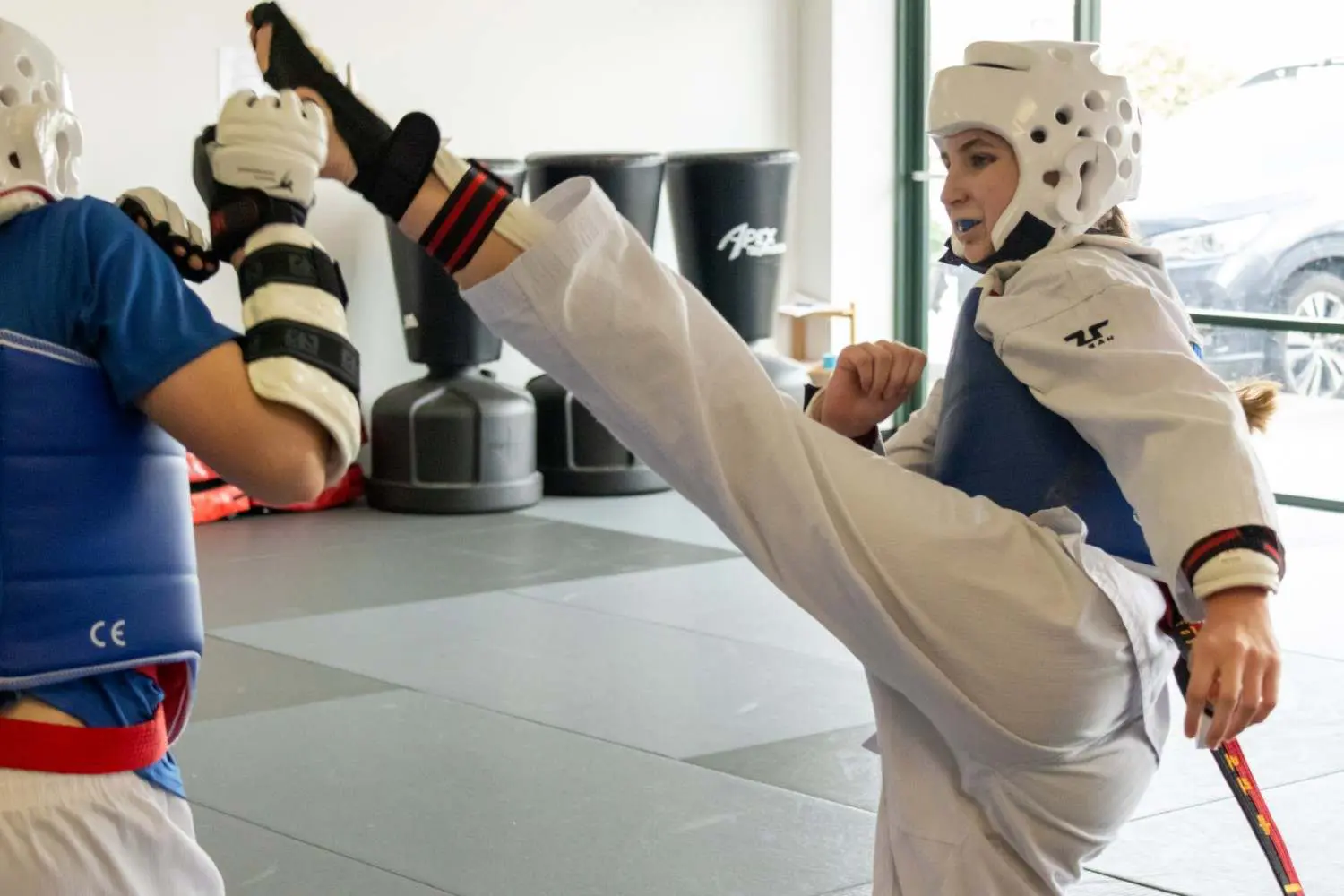
Yes, taekwondo can work for self-defense, but how well it works depends on the way it is trained. The striking, kicking, footwork, and timing taught in taekwondo build real physical tools for defending yourself. However, sport-focused classes that only prepare students for point sparring may not fully cover the close-range, unpredictable nature of a real confrontation. The most practical results come from training that blends traditional taekwondo technique with realistic pressure testing and awareness skills.
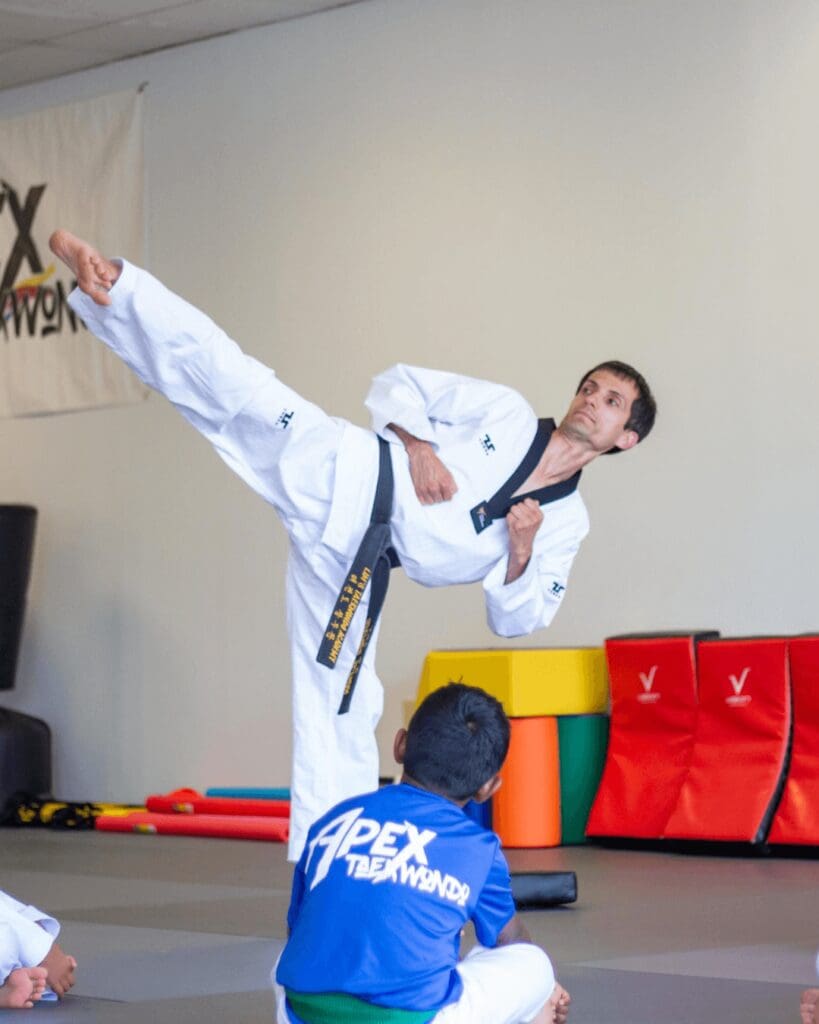
Written and reviewed by Stephen McEwan
How Taekwondo Builds Practical Self-Defense Skills
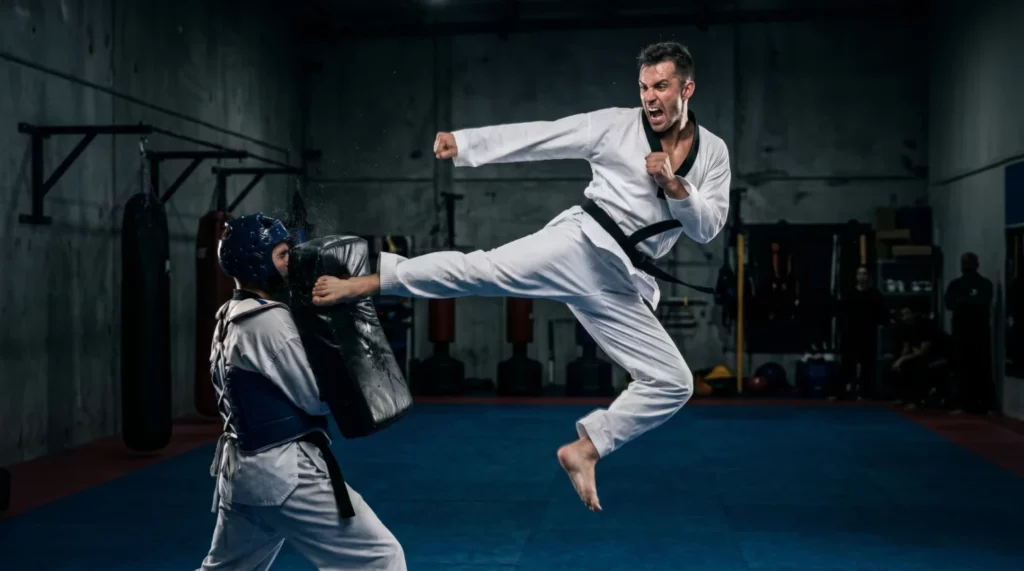
Taekwondo develops strong kicking power, quick footwork, and sharp hand strikes, all of which are useful for creating distance or stopping an attacker from closing in. Students also learn balance, body mechanics, and how to generate force efficiently, skills that carry over directly into a self-defense context. Repetition of these movements through drills and patterns helps them become instinctive rather than something you have to think through under pressure.
Where Sport-Style Training May Fall Short
Competition-focused taekwondo is built around a rule set, scoring targets, and a clear distance between opponents. Real situations rarely follow those same conditions. A class that only trains for tournament sparring may leave gaps around grabs, close-range exchanges, or multiple angles of attack. Recognizing this difference is important for students who want training that holds up outside the ring, not just inside it.
What Rounds Out Self-Defense Readiness
Technique alone is only part of the picture. Awareness of surroundings, reading a situation before it escalates, and knowing when to create distance or leave are just as important as any kick or strike. Programs that include scenario-based drills, verbal de-escalation, and discussion of real-world judgment help students apply their taekwondo skills more effectively when it actually matters.
Why Consistent Training Under Pressure Matters
Skills tend to break down under stress unless they have been practiced enough to become automatic. Regular sparring, controlled contact drills, and repetition help students respond calmly instead of freezing when adrenaline is high. This kind of consistent, realistic practice is what turns individual techniques into something a person can actually rely on in an unexpected moment.
Confidence and Character Alongside Physical Skill
For both adults and children, taekwondo training builds more than technique. Discipline, focus, and self-assurance developed on the mat often extend into everyday life, helping students feel more prepared and composed if a difficult situation ever arises. For parents, this combination of physical capability and personal growth is often just as meaningful as the self-defense skills themselves.
Related questions
Which taekwondo skills carry over most reliably to a real-world confrontation?
How much do awareness, avoidance, and de-escalation matter versus physical technique?
Does what you practice in class transfer to the stress and chaos of a real situation?
What are the honest limitations of taekwondo for self-defense (grabs, ground, multiple attackers)?
What should someone look for in a school that teaches genuinely usable self-defense, not just forms?

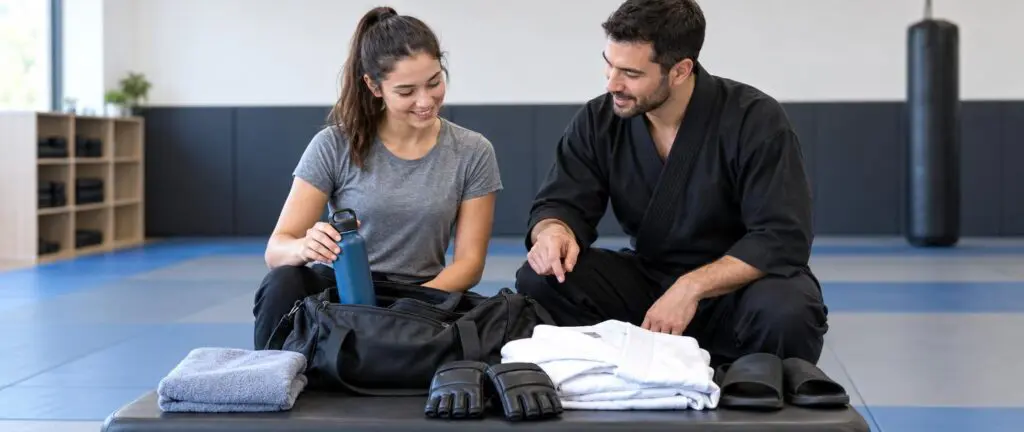
Train With Guidance From Instructor Stephen McEwan

- Last updated: 20 October 2026